A Comprehensive Guide to Choosing the Right Hydrostatic Testing Firm
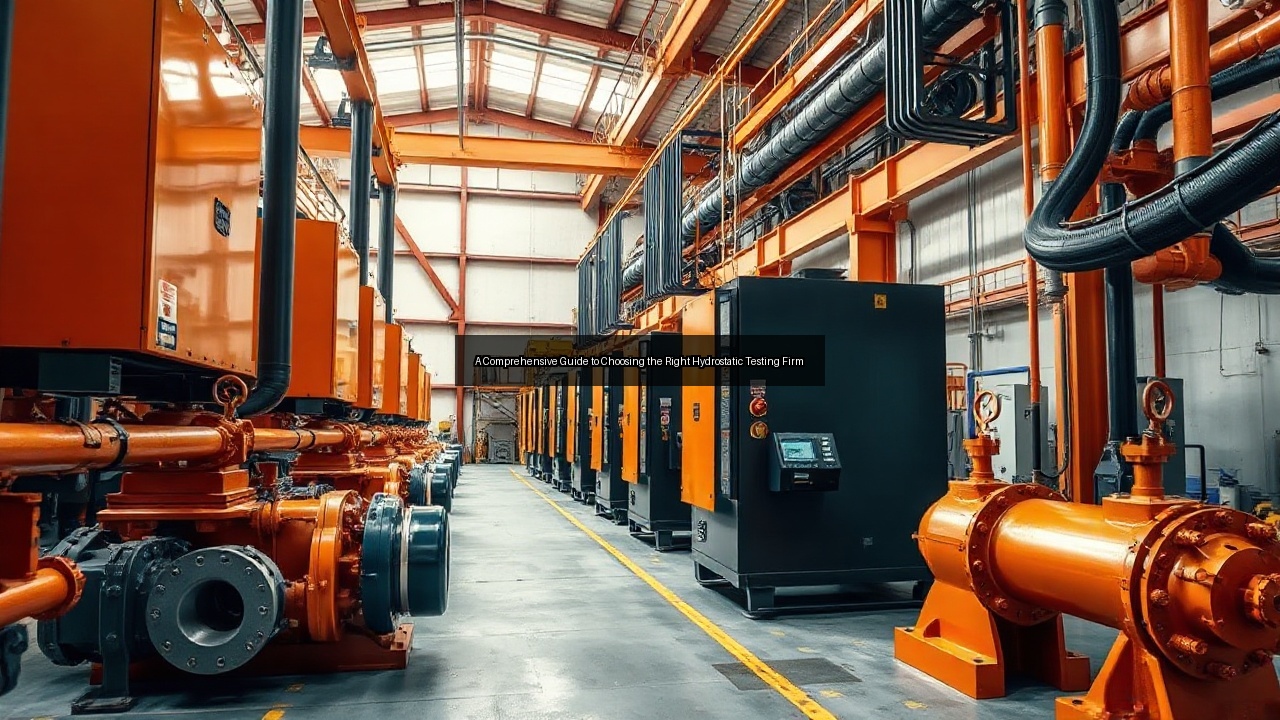
Understanding Hydrostatic Testing
What is Hydrostatic Testing?
Hydrostatic testing companies perform precise evaluations by filling pipelines, vessels, and pressure systems with liquid then applying controlled pressure to detect leaks or weaknesses. This process confirms structural integrity before equipment enters service or returns after maintenance. Operators rely on these firms to measure pressure levels accurately and document results for compliance records. The method isolates sections of infrastructure and monitors for drops that signal defects, allowing repairs before failures occur. Hydrostatic pressure testing companies use calibrated gauges and pumps to achieve exact test parameters that match design specifications.
Importance of Hydrostatic Testing in Various Industries
Industries depend on hydrostatic testing companies to prevent costly downtime and environmental incidents. Oil and gas operations require regular verification of pipelines and storage tanks to maintain safe transport of energy resources. Construction projects use these tests on new piping networks to ensure long-term reliability under load. Aerospace manufacturers test fuel systems and hydraulic lines to protect vehicles during flight. Chemical plants schedule hydrostatic evaluations to guard against corrosion-related failures that could release hazardous substances. Consistent testing reduces liability and supports continuous production schedules across sectors.
Types of Fluids Used in Hydrostatic Testing
Hydrostatic testing companies select fluids based on system materials and environmental conditions. Water serves as the primary choice for most applications because it remains incompressible and poses minimal risk during pressure application. In cold climates or sensitive equipment, operators add antifreeze solutions or use specialized liquids that prevent freezing while maintaining test accuracy. Oil-based fluids appear in certain mechanical testing scenarios where water could cause corrosion. Each fluid choice requires careful handling to avoid contamination and ensure accurate pressure readings throughout the procedure.
Evaluating Hydrostatic Testing Companies
Key Factors to Consider When Choosing a Hydrostatic Testing Firm
Selecting the right hydrostatic testing firm starts with reviewing their equipment capabilities and response times. Companies need modern pumps, gauges, and data logging systems to handle large-diameter pipelines or high-pressure vessels. Experience with specific materials such as stainless steel or composite lines matters for accurate results. Clients examine service coverage areas and technician training records before signing contracts. Firms that offer on-site testing reduce transport risks and speed up project timelines. Transparent pricing and detailed reporting separate reliable providers from less professional options in the market.
Certifications and Qualifications of Testing Companies
Reputable hydrostatic testing companies hold certifications from recognized bodies that verify their technical competence. Technicians complete training programs covering pressure safety, equipment calibration, and regulatory standards. Companies maintain ISO or equivalent quality management systems that document every step of the testing process. Insurance coverage protects clients against potential damage during operations. Qualification records include proof of experience with pneumatic and mechanical testing alongside core hydrostatic methods. These credentials demonstrate a firm’s ability to deliver consistent, defensible results on critical infrastructure projects.
Reputation and Experience in the Industry
Long-standing hydrostatic testing companies build trust through consistent performance on complex jobs. References from oil and gas clients or construction managers reveal how well a firm manages unexpected issues during tests. Published case studies show successful validation of pipelines and pressure vessels under demanding conditions. Industry associations often recognize top performers for safety records and technical innovation. Experienced providers maintain relationships with equipment suppliers that ensure access to specialized tools when standard options fall short. Checking online reviews and direct client feedback helps identify firms with proven reliability.
Services Offered by Hydrostatic Testing Firms
Comprehensive Hydrostatic Pressure Testing Services
Hydrostatic pressure testing companies deliver full-service evaluations that include system isolation, fluid filling, pressure ramp-up, and hold periods. Technicians monitor for leaks using visual inspection, acoustic sensors, and pressure decay analysis. Detailed reports document initial and final readings along with any anomalies discovered. These firms handle everything from small valves to large transmission pipelines in the oil and gas industry. Mobile units allow testing at remote sites without moving heavy components. Post-test drying and preservation steps prevent corrosion before equipment returns to operation.
Additional Services: Pneumatic and Mechanical Testing
Many hydrostatic testing companies extend capabilities to pneumatic testing that uses gas instead of liquid for certain applications. This method suits systems where moisture must remain absent. Mechanical testing covers torque verification, weld integrity checks, and component stress analysis. Combined service packages let clients address multiple requirements in one mobilization. Firms coordinate pneumatic and hydrostatic sequences to minimize downtime on active construction or maintenance projects. Skilled crews interpret results from both methods to provide complete system assessments that support regulatory submissions.
Validation and Management of Testing Processes
Validation services from hydrostatic testing companies confirm that all procedures meet client specifications and industry codes. Project managers track schedules, resource allocation, and documentation requirements from start to finish. Digital platforms allow real-time access to test data and status updates. Management includes coordination with welding teams and pipeline operators to sequence work efficiently. Post-test reviews identify improvement opportunities for future maintenance cycles. Thorough validation reduces the chance of repeat failures and supports continuous improvement in energy and construction operations.
Industry-Specific Considerations
Hydrostatic Testing in the Oil and Gas Industry
Oil and gas producers contract hydrostatic testing companies to verify pipelines, wellheads, and processing equipment before commissioning. High-pressure tests confirm that welds and joints withstand operating conditions in remote fields and offshore platforms. Regular testing identifies corrosion or fatigue in aging infrastructure that transports crude and refined products. Companies schedule tests during planned shutdowns to avoid production losses. Nitrogen purging often follows liquid tests to prepare lines for service. Accurate documentation supports audits and insurance requirements in this heavily regulated sector.
Application in Construction and Pipeline Management
Construction firms engage hydrostatic testing companies during new pipeline installation to prove system integrity before burial or enclosure. Management teams integrate testing milestones into overall project schedules to prevent delays. Tests cover water mains, sewer lines, and process piping across commercial and industrial sites. Post-construction validation confirms that backfill operations did not damage installed components. Pipeline operators rely on periodic retesting to extend service life and meet safety regulations. These services support both greenfield developments and rehabilitation projects in urban and rural settings.
Hydro Testing for Aerospace and Vehicle Industries
Aerospace manufacturers partner with hydrostatic testing companies to evaluate fuel tanks, hydraulic lines, and pressure vessels used in aircraft and spacecraft. Precise pressure control prevents damage to lightweight materials common in vehicle construction. Automotive suppliers test cooling systems, brake lines, and fuel delivery components under simulated operating conditions. Hydro testing identifies micro-leaks that could compromise performance or safety in high-speed applications. Mobile testing units visit assembly plants to validate components without disrupting production flows. Results feed into quality control systems that track every part through its lifecycle.
Safety Standards and Practices
Safety Protocols in Hydrostatic Testing
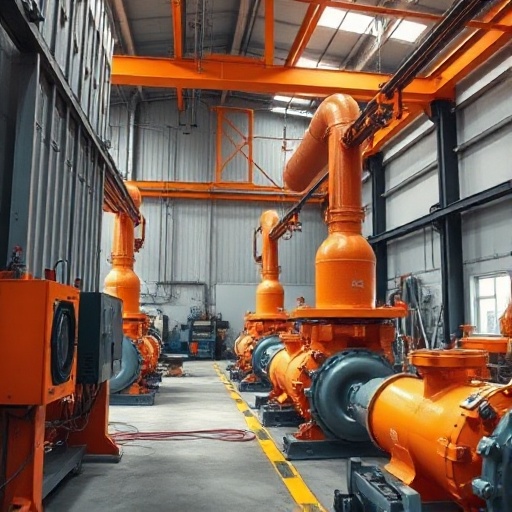
Hydrostatic testing companies enforce strict safety protocols that include barricading test areas, using pressure relief devices, and requiring personal protective equipment. Crews conduct pre-job hazard assessments to identify risks such as line rupture or fluid release. Emergency response plans address potential leaks or equipment failures during high-pressure holds. Regular equipment inspections verify that pumps and hoses remain within rated limits. Training emphasizes clear communication among team members to coordinate pressure application and monitoring tasks. These measures protect personnel and surrounding infrastructure throughout every project phase.
Use of Nitrogen and Other Gases in Testing
Operators sometimes substitute nitrogen for liquid during pneumatic tests when systems cannot tolerate moisture. Hydrostatic testing companies manage nitrogen cylinders and regulators to achieve controlled pressure increases safely. Gas tests require additional monitoring for leaks because compressed gases store more energy than liquids. Proper ventilation prevents accumulation in confined spaces. Technicians calculate stored energy levels before each test to establish safe exclusion zones. Documentation records gas volumes and pressures used so that follow-up procedures restore equipment to service-ready condition without residual hazards.
Regulatory Compliance and Best Practices
Leading hydrostatic testing companies align operations with ASME, API, and local regulatory requirements that govern pressure equipment. Best practices include standardized test procedures, calibrated instrumentation, and independent witness verification when specified. Compliance audits review record-keeping accuracy and technician qualifications. Firms update procedures when codes change to maintain client confidence. Integration of safety and quality systems reduces incidents while delivering defensible test results. Clients gain assurance that tested assets meet legal and operational standards before returning to service in demanding environments.
See Also
- Understanding Hydrostatic Pressure Testing and Its Impact on Mechanical Integrity
- The Best Practices Adopted by Leading Hydrostatic Testing Experts
- Top Hydrostatic Testing Companies Leading the Charge in Fluid Validation
- The Role of Hydrostatic Testing in Construction and Energy Sectors
- Hydrostatic Testing Companies and Their Essential Role in Infrastructure Reliability