Exploring the Role of Flexible Heaters in Military Applications
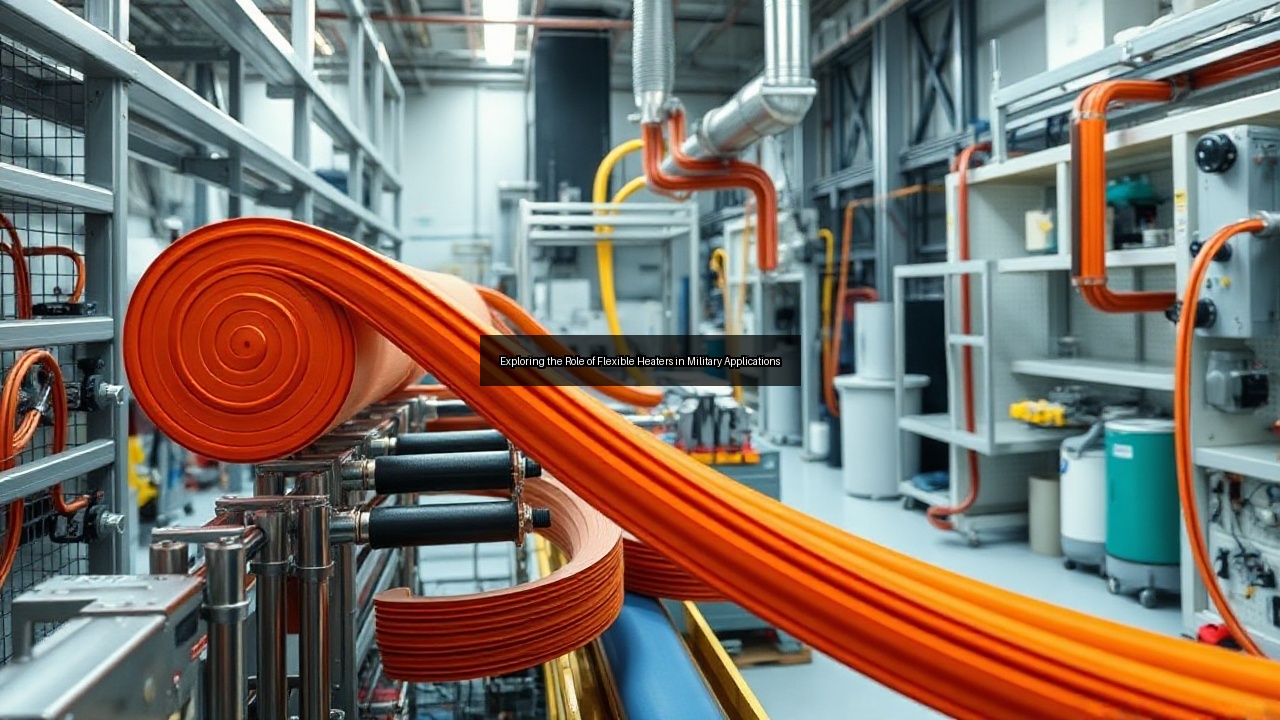
Understanding Flexible Heaters and Their Importance in Military Applications
What Are Flexible Heaters?
Flexible heaters are innovative heating solutions designed to provide efficient temperature control in a variety of applications. These heaters consist of flexible heating elements that can be easily integrated into different surfaces and materials. This adaptability makes flexible heaters particularly valuable in military settings, where equipment often undergoes rigorous demands and environmental challenges. Commonly made from materials like silicone rubber, Kapton, or Teflon, these heaters can conform to complex shapes, ensuring uniform heat distribution without compromising space or weight. Their design allows for extensive customization, making them suitable for specific military needs, such as warming equipment, maintaining temperature-sensitive components, or enhancing the performance of military gear.
Key Properties of Flexible Heating Elements
Flexible heating elements possess several key properties that enhance their functionality in military applications. Firstly, they exhibit excellent thermal efficiency, quickly converting electrical energy into heat. This efficiency is crucial in military operations where time and reliability matter. Secondly, their lightweight and thin profile allow for easy integration into various devices without adding significant bulk. Flexibility ensures that these heaters can fit into tight spaces and irregular shapes, which is often the case in military vehicles and equipment. Additionally, flexible heaters boast resistance to moisture, chemicals, and extreme temperatures, making them durable under harsh conditions. This combination of properties ensures that flexible heaters can withstand the rigors of military use while delivering consistent performance.
Advantages of Using Flexible Heaters in Military Settings
Utilizing flexible heaters in military applications provides numerous advantages. Their compact design and lightweight nature make them ideal for portable equipment, where every ounce counts. These heaters also offer rapid heating capabilities, essential for immediate response scenarios. Another significant benefit lies in their versatility; they can be used in various applications, from maintaining the temperature of sensitive electronics to providing warmth in clothing or shelter systems. The ability to integrate with other technologies, such as sensors and thermocouples, enhances their functionality, allowing for precise temperature regulation. Furthermore, their robust construction ensures reliability in extreme conditions, making flex heater them a dependable choice for military operations. Overall, flexible heaters contribute significantly to operational efficiency and mission success in the field.
Types of Flexible Heaters Used in Military Technology
Silicone Rubber Heaters and Their Applications
Silicone rubber heaters are among the most widely used flexible heaters in military applications due to their versatility and resilience. These heaters utilize a silicone rubber substrate that withstands high temperatures and harsh environmental conditions. Their applications range from preheating components before operation to maintaining the temperature of sensitive equipment during missions. Silicone rubber heaters can be designed in various shapes and sizes, ensuring compatibility with different military technologies. They are particularly effective in applications requiring uniform heat distribution, such as in fuel tanks, battery packs, and electronic enclosures. The flexibility of silicone rubber also allows for easy installation and integration, making these heaters a favored choice in military engineering.
Kapton Heaters: Versatility in Extreme Conditions
Kapton heaters are another prominent type of flexible heater utilized in military technology, renowned for their ability to perform in extreme conditions. Made from polyimide film, these heaters can operate at high temperatures while offering excellent electrical insulation. Kapton heaters prove invaluable in situations where equipment must endure significant temperature fluctuations, such as aerospace applications and outdoor military operations. Their lightweight nature and thin profile facilitate easy installation in tight spaces, while their exceptional durability ensures they can withstand mechanical stress and chemicals. Additionally, Kapton heaters can be combined with kapton tape for enhanced adhesion and insulation, making them a versatile choice for various military needs.
FEP Heaters: Chemical Resistance and Durability
Fluorinated ethylene propylene (FEP) heaters provide another solution for military applications requiring chemical resistance and durability. FEP offers exceptional resistance to corrosive substances, making these heaters ideal for environments where exposure to harsh chemicals is a concern. Their design allows for flexibility and adaptability, enabling integration with various devices and systems. FEP heaters can maintain performance under extreme temperatures and pressures, ensuring reliability in the field. They are commonly used in scientific instruments, military vehicles, and aerospace applications, where precision and resilience are paramount. The combination of chemical resistance and thermal efficiency makes FEP heaters a valuable asset in military engineering and operations.
Integration of Flexible Heaters with Sensors and Thermocouples
The Role of Thermocouples in Temperature Regulation
Thermocouples play a vital role in the effective temperature regulation of flexible heaters in military applications. These sensors measure temperature changes by generating a voltage proportional to the temperature difference between two junctions. When integrated with flexible heaters, thermocouples provide real-time feedback, enabling precise control of heating elements. This integration ensures that equipment remains within specified temperature ranges, preventing overheating or underheating, which can lead to equipment failure or operational inefficiencies. In military contexts, where timing and accuracy are essential, thermocouples enhance the reliability and safety of heating systems, thereby improving the overall performance of military gear.
Flexible Circuits: Enhancing Heater Functionality
Flexible circuits significantly enhance the functionality of flexible heaters by enabling seamless integration with other electronic components. These circuits allow for sophisticated designs that can include multiple heating zones, sensors, and control systems within a single flexible substrate. This capability is particularly beneficial in military applications, where space and weight constraints are critical. Flexible circuits can also facilitate the connection of multiple heaters to a centralized control system, improving efficiency and ease of use. By utilizing flexible circuits, military engineers can develop advanced heating solutions that cater to specific operational requirements while maintaining compactness and flexibility in design.
Using Ohm's Law for Efficient Heating Calculations
Ohm's Law serves as a fundamental principle in the design and operation of flexible heaters, enabling efficient heating calculations. This law states that the current flowing through a conductor between two points is directly proportional to the voltage across the two points, provided the resistance remains constant. Understanding this relationship allows military engineers to accurately calculate the necessary voltage and current to achieve desired heating levels in flexible heating elements. By applying Ohm's Law, engineers can optimize heater designs for specific applications, ensuring that flexible heaters operate efficiently under varying conditions. This knowledge contributes to the overall effectiveness and reliability of military heating solutions in the field.
Design Considerations for Military Flexible Heating Solutions
Choosing the Right Heating Element for Military Needs
Selecting the appropriate heating element is crucial for developing effective military flexible heating solutions. Factors such as the operating environment, required temperature range, and specific application dictate the choice of materials and designs. For instance, silicone rubber heaters may be ideal for applications requiring flexibility electric heaters and moisture resistance, while Kapton heaters could be better suited for extreme temperature variations. Engineers must also consider the weight and space constraints of military equipment, ensuring that the chosen heating element integrates seamlessly without adding unnecessary bulk. By carefully evaluating these factors, military designers can create heating solutions tailored to their operational needs.
Best Practices in Flexible Heater Design
Implementing best practices in flexible heater design ensures optimal performance and reliability in military applications. Designers should prioritize thermal efficiency, ensuring that flexibility in heating heaters provide the necessary heat without excessive energy consumption. Additionally, incorporating redundancy in critical applications can enhance reliability, allowing for continued operation even if one component fails. Using high-quality materials that withstand environmental stresses, such as moisture and chemicals, is essential for long-term durability. Furthermore, conducting thorough testing under real-world conditions helps identify potential issues and refine designs before deployment. By adhering to these best practices, military engineers can develop effective flexible heating solutions that meet the rigorous demands of their operations.
Evaluating Flexibility and Performance in Field Applications
Evaluating the flexibility and performance of heating solutions in field applications is vital for ensuring their effectiveness in military operations. Engineers must conduct rigorous testing to assess how well flexible heaters perform under various conditions, including extreme temperatures, humidity, and mechanical stress. This evaluation process electric heaters should include feedback from end-users to understand the practical challenges faced in the field. By analyzing performance data and user experiences, designers can make necessary adjustments to enhance the functionality and reliability of flexible heaters. Continuous improvement in design and performance evaluation ultimately leads to better heating solutions that support mission success in diverse military environments.
See Also
- Understanding Ohm's Law in the Context of Flexible Heating Elements
- Maximizing Efficiency with Flexible Heaters in Industrial Settings
- Innovations in Flexible Heating Solutions for the Electronics Industry
- Teflon vs Kapton Which Flexible Heater Material Reigns Supreme
- The Future of Heating is Here with Advanced Flexible Heater Technologies