The Future of Plastic Injection Molding Technology
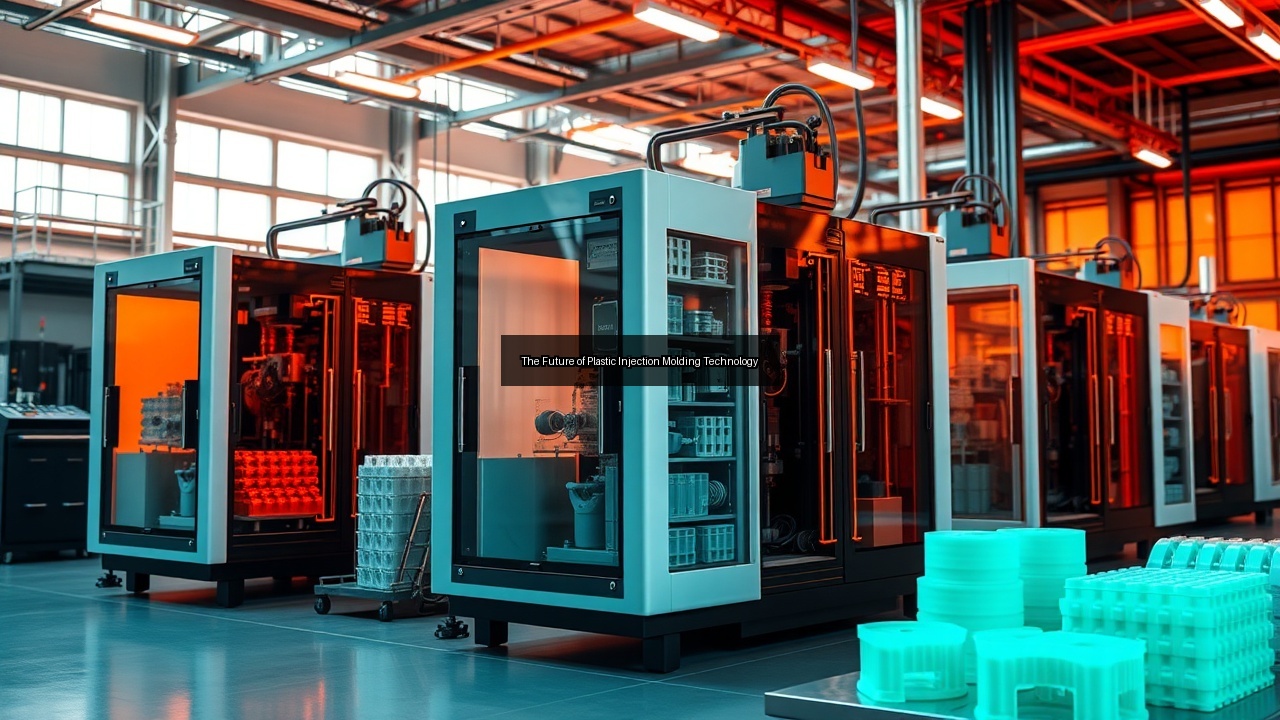
Advancements in Plastic Injection Molding Technology
Emerging Trends in Injection Molding
The world of plastic injection molding constantly evolves, driven by technological innovations and market demands. One prominent trend is the integration of Industry 4.0 principles. This shift emphasizes smart manufacturing through the use of Internet of Things (IoT) technology. Injection mold manufacturers increasingly adopt connected machinery that communicates in real-time, allowing for greater control over the injection molding process. Predictive maintenance becomes possible, reducing downtime and enhancing productivity. Additionally, advancements in materials science have led to the development of specialized thermoplastics that enhance product performance and durability. These innovations enable manufacturers to create complex geometries while optimizing material usage.
Innovations in Thermoplastics
Innovations in thermoplastics significantly transform the plastic injection molding landscape. New formulations of thermoplastics offer improved mechanical properties, heat resistance, and environmental performance. For instance, high-performance thermoplastics such as polyether ether ketone (PEEK) and polyphenylene sulfide injection moulding manufacturer (PPS) make injection-molded components suitable for demanding applications, including aerospace and automotive. Moreover, bio-based thermoplastics are gaining popularity, appealing to manufacturers and consumers seeking sustainable options. These materials, derived from renewable sources, provide an eco-friendly alternative without compromising quality. As the industry embraces these innovations, plastic mold manufacturers can cater to a wider range of applications while meeting stringent performance criteria.
The Role of Automation in Manufacturing
Automation plays a crucial role in enhancing efficiency within the plastic injection molding process. Robotic systems streamline operations, from loading raw materials to handling finished products. This integration minimizes human error, increases precision, and accelerates production rates. Manufacturers benefit from automated quality control systems that monitor parts during production, ensuring consistency and reducing waste. Furthermore, automation allows for greater flexibility in production runs. Plastic injection molding facilities can easily switch between different products with minimal downtime, adapting to market demands swiftly. As automation technology continues to advance, plastic fabrication becomes more efficient, cost-effective, and adaptable to various industries.
Sustainable Practices in Plastic Manufacturing
Biodegradable Plastics and Their Impact
Biodegradable plastics represent a significant step forward in sustainable manufacturing practices. These materials break down more quickly than traditional plastics, reducing their impact on landfills and oceans. The development of biodegradable thermoplastics, such as polylactic acid (PLA) and polyhydroxyalkanoates (PHA), enables manufacturers to produce injection-molded products that align with environmental goals. As consumers increasingly favor eco-friendly products, the demand for biodegradable plastics rises. Manufacturers who invest in this technology can differentiate themselves in the marketplace, appealing to environmentally conscious consumers. Additionally, innovations in biodegradable plastics may lead to new applications in various industries, from packaging to medical devices, further broadening their impact.
Recycling and Reusing Injection Molded Products
Recycling plays a pivotal role in creating a circular economy within the plastic manufacturing sector. The ability to recycle and reuse injection molded products not only reduces waste but also conserves resources. Manufacturers can implement closed-loop systems where post-consumer plastics are collected, processed, and reintroduced into the production cycle. This practice not only minimizes environmental impact but also reduces production costs. Companies focusing on recycled materials can attract customers who prioritize sustainability. Moreover, advancements in recycling technologies enhance the quality of recycled plastics, making them injection moulding manufacturer suitable for various applications. As the industry embraces these practices, the future of plastic injection molding becomes increasingly sustainable and responsible.
Eco-Friendly Thermoforming Techniques
Eco-friendly thermoforming techniques have emerged as a viable alternative to traditional plastic fabrication methods. These techniques optimize material usage and reduce energy consumption during production. Advanced thermoforming processes often utilize recycled plastics or bioplastics, aligning with sustainability goals. Manufacturers adopting eco-friendly practices can significantly decrease their carbon footprint while meeting consumer demand for sustainable products. Additionally, innovations in mold design and heating methods enhance the efficiency of thermoforming processes. These improvements lead to faster production times and lower operational costs. As eco-friendly thermoforming continues to gain traction, manufacturers can position themselves as leaders in sustainable plastic production.
Challenges Facing Plastic Mold Manufacturers
Supply Chain Disruptions
Supply chain disruptions pose a significant challenge for plastic mold manufacturers. Global events, such as pandemics or geopolitical tensions, can lead to shortages of raw materials and components essential for the injection molding process. These disruptions can result in delays, increased production costs, and ultimately impact profitability. Manufacturers must adopt agile supply chain strategies, including diversifying suppliers and investing in local sourcing. By doing so, they can mitigate risks associated with supply chain instability. Additionally, leveraging technology for better visibility into supply chain operations can help manufacturers anticipate and respond to potential disruptions swiftly, ensuring a more resilient production process.
Meeting Regulatory Standards
Manufacturers face increasing pressure to comply with stringent regulatory standards governing plastic use and production. These regulations often aim to reduce environmental impact and ensure product safety. Navigating the complex landscape of compliance can be daunting for plastic mold manufacturers, requiring ongoing investment in research and development. Failure to meet these standards can result in significant financial penalties and damage to a brand's reputation. Proactive engagement with regulatory bodies and investment in sustainable practices can help manufacturers stay ahead of compliance issues. By prioritizing transparency and accountability, manufacturers can not only meet regulatory requirements but also foster trust with consumers and stakeholders.
Competition from Alternative Manufacturing Methods
Plastic mold manufacturers face stiff competition from alternative manufacturing methods such as 3D printing and additive manufacturing. These technologies offer unique advantages, including reduced material waste and the ability to produce complex geometries without the need for traditional molds. As these alternatives gain traction, traditional injection molding may struggle to maintain its market share. Manufacturers must adapt by embracing new technologies and exploring hybrid production methods that combine injection molding with additive processes. This adaptability allows for greater customization and flexibility in production while retaining the benefits of traditional plastic fabrication. Staying competitive in this evolving landscape requires a willingness to innovate and adapt to changing consumer demands.
The Future Landscape of Plastic Injection Molding
Market Predictions and Growth Opportunities
Market predictions for plastic injection molding indicate steady growth driven by increasing demand across various sectors, including automotive, healthcare, and consumer goods. The ability to produce high-quality, complex injection-molded products quickly and efficiently positions plastic mold manufacturers favorably in a competitive landscape. Emerging markets, particularly in Asia-Pacific, present significant growth opportunities due to rising industrialization and urbanization. Manufacturers looking to capitalize on these trends should focus on innovation and sustainability, tapping into new materials and technologies that resonate with consumer preferences. By strategically positioning themselves in the market, manufacturers can harness growth opportunities while contributing to a more sustainable future.
The Importance of Research and Development
Research and development (R&D) play a critical role in shaping the future of plastic injection molding. Continuous innovation in materials, processes, and technologies is essential for manufacturers to remain competitive. Investing in R&D enables manufacturers to develop advanced thermoplastics, optimize the injection molding process, and explore new applications for molded products. Collaborations with universities and research institutions can provide valuable insights and foster innovation. By prioritizing R&D, plastic mold manufacturers can not only enhance their product offerings but also address emerging challenges in sustainability and efficiency. A commitment to innovation ensures the industry evolves in response to changing market demands.
Collaboration Between Manufacturers and Designers
Collaboration between plastic mold manufacturers and designers fosters creativity and innovation in product development. Effective communication between these stakeholders leads to better understanding of design requirements and manufacturing capabilities. Early collaboration in the design phase allows for the optimization of injection molds, enhancing efficiency and product quality. Additionally, this teamwork can lead to the development of novel materials and processes that push the boundaries of traditional plastic fabrication. As the industry evolves, fostering strong partnerships between manufacturers and designers will be crucial for driving innovation and meeting the demands of an increasingly sophisticated marketplace.