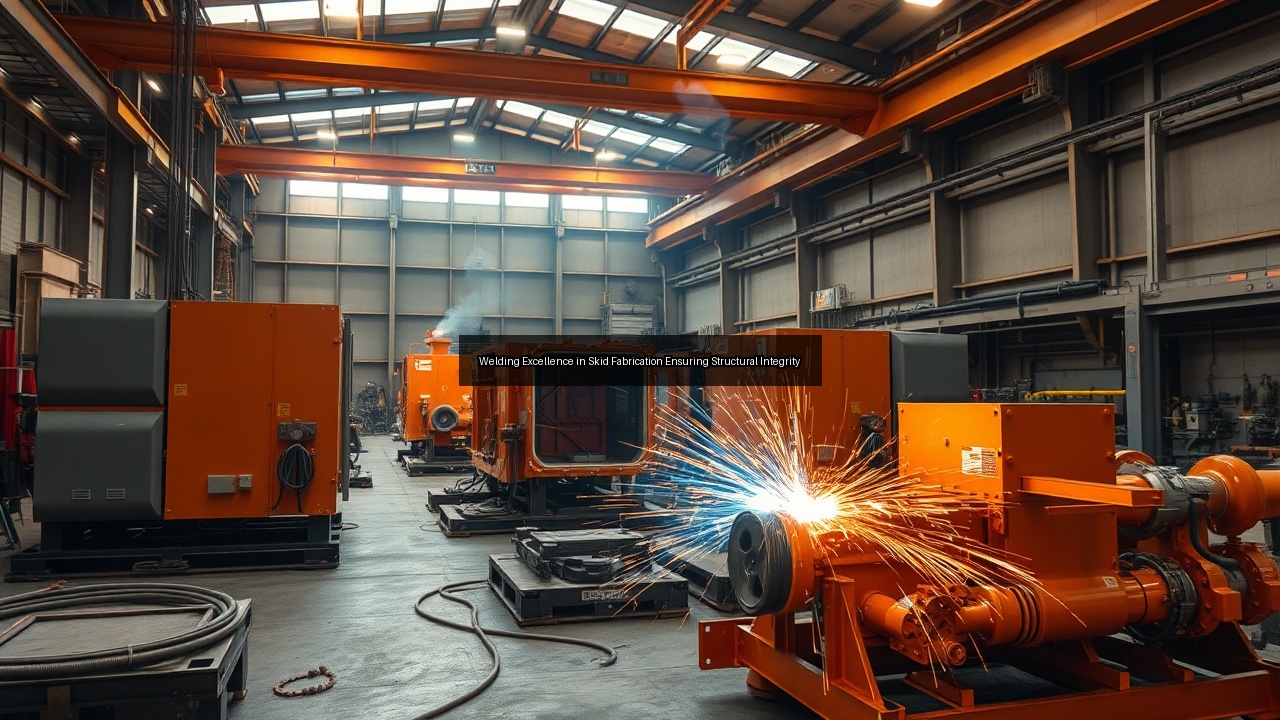
Welding Excellence in Skid Fabrication Ensuring Structural Integrity
Understanding Modular Process Skid Fabrication
Overview of Modular Process Skids
Modular process skids serve as essential components in various industrial applications, particularly in the oil and gas industry. These systems consist of pre-assembled units that integrate different functionalities into a single framework, allowing for easier transport and installation. Each modular skid can include a combination of equipment such as pumps, valves, and piping systems. This modular approach not only streamlines operations but also enhances the efficiency of construction projects. Manufacturers design these skids to meet specific operational requirements, ensuring that every module functions cohesively within the larger system. The flexibility offered by modular process systems makes them a popular choice for businesses aiming to optimize their workflow and reduce downtime.
Importance of Structural Integrity in Skid Design
Structural integrity stands as a cornerstone in the design of modular skids. Engineers must ensure that each skid can withstand the stresses and strains imposed during operation and transportation. A robust design minimizes the risk of failure, which can lead to costly downtime and safety hazards. Factors such as load-bearing capacity, environmental conditions, and material properties heavily influence structural integrity. Implementing rigorous design standards and testing protocols helps maintain the integrity of the skid throughout its lifecycle. This attention to detail not only protects investments but also reinforces safety in potentially hazardous environments, such as those found in oil and gas operations.
Key Materials Used in Skid Fabrication
Choosing the right materials is critical in skid fabrication, as they directly impact durability and performance. Common materials include carbon steel, stainless steel, and various alloys tailored for specific applications. Carbon steel offers strength and cost-effectiveness, making it suitable for many applications. Stainless steel, with its corrosion resistance, is ideal for environments where exposure to harsh chemicals may occur. Advanced alloys can provide enhanced performance under extreme conditions, ensuring longevity and reliability. Manufacturers must weigh the trade-offs between cost, performance, and safety when selecting materials for their modular skid systems.
Welding Techniques and Technologies in Skid Fabrication
Common Welding Methods for Modular Skids
Welding forms the backbone of skid fabrication, providing the means to join various components securely. Several welding methods are prevalent in the industry, including MIG (Metal Inert Gas) welding, TIG skid fabrication shop (Tungsten Inert Gas) welding, and stick welding. MIG welding is favored for its speed and versatility, making it suitable for many projects. TIG welding, while slower, offers superior precision and is often used for critical joints requiring high strength. Stick welding remains a reliable choice for outdoor applications and situations where access is challenging. Each method presents unique advantages, and skilled fabricators choose the appropriate technique based on the specific requirements and materials involved.
Advancements in Welding Technologies
The welding landscape continues to evolve with advancements in technology that enhance both efficiency and safety. Automated welding systems, for instance, reduce human error and increase production rates. These systems can perform intricate welds with consistent quality, significantly improving the fabrication process. Additionally, developments in laser welding technology allow for precise joints that are both strong and aesthetically pleasing. Innovations such as real-time monitoring systems enable manufacturers to track welding parameters, ensuring optimal performance. As these technologies advance, they bolster the quality and reliability of welded components in modular skid fabrication, directly impacting the overall structural integrity.
Safety Protocols in Welding Practices
Safety remains paramount in welding practices, especially in skid fabrication, where high-stakes environments demand stringent adherence to safety protocols. Fabricators must implement comprehensive safety training programs for their workforce, focusing on protective gear, hazard recognition, and emergency response procedures. Proper ventilation is essential to mitigate the risks associated with fumes and gases released during welding. Regular maintenance of equipment also plays a critical role in preventing accidents. Moreover, adherence to industry regulations and standards ensures that safety measures meet or exceed legal requirements. By fostering a culture of safety, companies not only protect their employees but also enhance the quality and integrity of their fabricated products.
Quality Control and Assurance in Skid Manufacturing
Quality Management Systems in Skid Fabrication
Quality management systems (QMS) form the framework for maintaining high standards in skid fabrication. A robust QMS incorporates processes for monitoring, evaluating, and improving the quality of materials and workmanship throughout the fabrication process. Documentation plays a vital role, as it provides a clear record of compliance with industry standards and customer specifications. Regular audits and inspections ensure that fabrication practices align with established quality benchmarks. Implementing a comprehensive QMS not only enhances product reliability but also builds customer trust, as clients increasingly seek manufacturers committed to excellence in the oil and gas industry.
The Role of Expert Oversight in Quality Assurance
Expert oversight in quality assurance is crucial in the skid fabrication process. Experienced professionals bring a wealth of knowledge to the table, identifying potential issues before they escalate into costly problems. These experts conduct thorough inspections at various stages of fabrication, ensuring that every component meets stringent quality standards. Their involvement also extends to advising on best practices and innovative solutions tailored to specific project needs. By prioritizing expert oversight, companies enhance operational efficiency and safeguard against defects that could compromise the structural integrity of modular skids.
Risk Management Strategies in Fabrication Processes
Effective risk management strategies are essential in skid fabrication to mitigate potential challenges that could affect quality and safety. Identifying risks early in the fabrication process allows manufacturers to implement preventive measures tailored to specific threats. Techniques such as failure mode and effects analysis (FMEA) help teams systematically evaluate processes and determine areas for improvement. Additionally, establishing contingency plans ensures that companies can respond promptly to unexpected issues, minimizing disruption. By embedding risk management into the fabrication process, manufacturers reinforce their commitment to quality and safety, ultimately enhancing the reliability of their modular skids.
Selecting the Right Skid Fabrication Company
Evaluating Custom Skid Fabrication Services
Choosing the right skid fabrication company requires careful evaluation of their custom services. Companies should assess the fabricator's experience in handling projects similar to their own, as well as their ability to meet specific design requirements. Reviewing past projects and client testimonials provides insight into the fabricator's capabilities and reliability. Additionally, understanding their approach to collaboration is crucial; a fabricator willing to work closely with clients skid fabrication shop can better align with project goals. By focusing on these factors, businesses can select a fabrication partner that not only meets their technical needs but also shares their vision for success.
Important Factors in Choosing a Fabrication Shop
Several factors influence the decision when selecting a fabrication shop for skid fabrication. Start with assessing the shop's reputation in the industry, particularly within the oil and gas sector. Certifications and compliance with industry standards indicate a commitment to quality and safety. Evaluate the shop's facilities and equipment, ensuring they possess the latest technologies for efficient fabrication. Additionally, consider the company's customer service and support; responsive communication can significantly enhance project outcomes. By weighing these important factors, businesses can make informed decisions that align with their operational objectives.
Understanding Licensing and Compliance in the Industry
Licensing and compliance play pivotal roles in the skid fabrication industry. Manufacturers must adhere to regulations set forth by governing bodies, ensuring that their practices meet safety and quality standards. Understanding the specific licensing requirements applicable to a fabrication company is essential for ensuring compliance. Companies should prioritize working with licensed fabricators who demonstrate a commitment to industry norms and regulations. This diligence not only protects the integrity of the fabrication process but also fosters confidence among clients, reinforcing the importance of quality assurance in every modular skid project.